
Sustainable Fashion with AI Technology
Discover sustainable fashion with ai technology and how it's transforming the fashion industry with AI-powered solutions and innovative technologies.
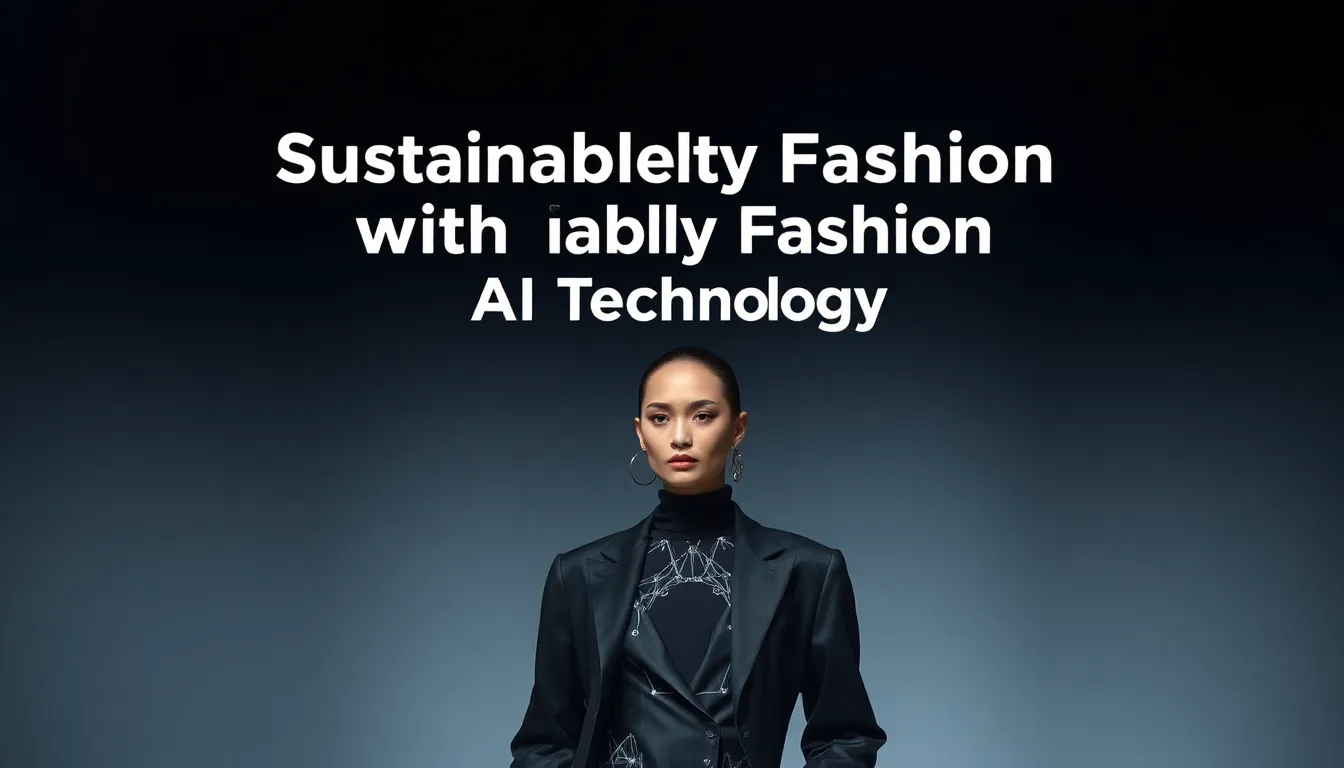
The Fashion Revolution: Embracing Sustainable Fashion with AI Technology
In the ever-evolving world of fashion, sustainability has emerged as a pivotal force, reshaping the industry's trajectory. As consumers become more environmentally conscious, the demand for sustainable fashion has surged. Enter AI technology, a game-changer that's not just revolutionizing the way we shop but also ensuring that our fashion choices are eco-friendly. Let's dive into how AI is reshaping sustainable fashion and how you can be a part of this green revolution.
Understanding Sustainable Fashion
Before we delve into AI's role, let's clarify what sustainable fashion entails. It's about creating clothing that is environmentally friendly, socially responsible, and ethical throughout its lifecycle. This includes using eco-friendly materials, reducing waste, and ensuring fair labor practices. Now, let's see how AI is making this vision a reality.
AI-Driven Design: Creating Eco-Friendly Fashion
AI has the power to transform the design process, making it more sustainable and efficient. By analyzing vast amounts of data, AI algorithms can predict trends, optimize fabric choices, and even design garments that are both stylish and eco-friendly.
Example: Brands like Good On You are using AI to rate fashion brands based on their sustainability practices. This helps consumers make informed choices and supports brands that prioritize sustainability.
Smart Manufacturing: Reducing Waste and Energy Consumption
AI isn't just about design; it's also revolutionizing the manufacturing process. By optimizing production lines and predicting demand, AI can significantly reduce waste and energy consumption.
Example: Patagonia, a leader in sustainable outdoor apparel, uses AI to forecast demand, ensuring that they produce only what is needed, thus minimizing overproduction and waste.
Personalized Shopping: Empowering Consumers
AI-powered e-commerce platforms are personalizing the shopping experience, making it easier for consumers to find sustainable fashion options that align with their preferences and values.
Example: Zalando's AI-driven recommendation engine suggests sustainable fashion items based on the consumer's shopping history and preferences, making sustainable fashion more accessible and appealing.
AI and Circular Fashion: Closing the Loop
Circular fashion is all about keeping clothes in use for as long as possible. AI plays a crucial role in this movement by enabling clothing rentals, second-hand marketplaces, and even recycling programs.
Example: Rent the Runway, a fashion rental service, uses AI to match customers with the perfect outfit for any occasion, reducing the need for new purchases and promoting sustainable consumption.
The Future of Sustainable Fashion with AI
The integration of AI technology in sustainable fashion is just the beginning. As the industry continues to evolve, we can expect even more innovative applications of AI, such as:
- Predictive maintenance: AI can predict when clothing will need repairs, extending the life of garments.
- Smart fabrics: AI can be used to create fabrics that adapt to the wearer's environment, reducing energy consumption.
- Blockchain integration: AI can help track the provenance of materials and garments, ensuring transparency and traceability.
Key Takeaways
- AI is a powerful tool for creating sustainable fashion: From design to manufacturing and retail, AI can help reduce waste, optimize production, and personalize the shopping experience.
- Consumers have a role to play: By supporting sustainable brands and making informed choices, we can drive the demand for eco-friendly fashion.
- The future is bright: As AI technology continues to evolve, we can look forward to a more sustainable and ethical fashion industry.
By embracing AI technology, the fashion industry is taking a significant step towards a more sustainable future. As consumers, we have the power to shape this future by demanding and supporting sustainable fashion choices. So, the next time you go shopping, remember that your choices can make a real difference in the world of sustainable fashion.
Ready to Transform Your Fashion Images?
Experience the power of AI with Loomlyft's cutting-edge fashion technology tools.
Try It Free →