
Future of Virtual Fashion Shows
Discover future of virtual fashion shows and how it's transforming the fashion industry with AI-powered solutions and innovative technologies.
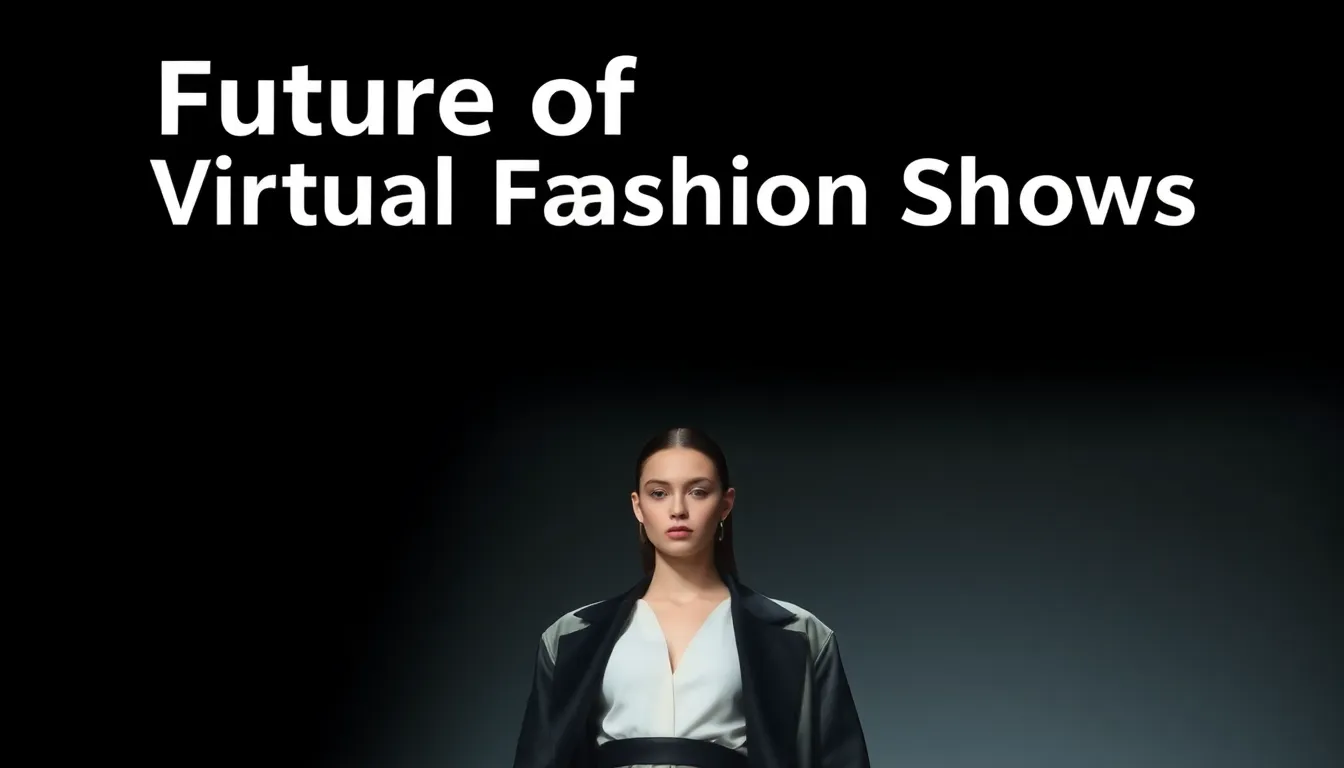
The Future of Virtual Fashion Shows: A Fashion Technology Odyssey
In a world where technology intertwines with our daily lives, the fashion industry is no exception. Virtual fashion shows have emerged as a revolutionary force, reshaping the way we perceive and interact with fashion. As we look towards the future, it's clear that virtual fashion shows are not just a fleeting trend but a cornerstone of the fashion industry's evolution. This blog post will delve into the future of virtual fashion shows, exploring the role of AI, e-commerce, and the transformative impact of technology on the fashion landscape.
The Rise of Virtual Fashion Shows
Virtual fashion shows have gained significant traction in recent years, particularly due to the global pandemic that forced the industry to innovate rapidly. Brands like Balenciaga and Gucci have already showcased their collections through virtual platforms, offering a unique and immersive experience to both fashion enthusiasts and industry professionals. The success of these events has sparked a wave of interest in the potential of virtual fashion shows to redefine the industry.
AI-Driven Personalization
One of the most exciting aspects of virtual fashion shows is the integration of AI technology. AI algorithms can analyze consumer data, preferences, and trends to create personalized fashion experiences. For example, AI can curate a virtual runway show tailored to the individual viewer's style and preferences. This level of personalization not only enhances the viewer's experience but also provides valuable insights for designers and brands.
Example: Brands like Tommy Hilfiger have already implemented AI-driven personalization in their virtual fashion shows, allowing viewers to select their preferred models, styles, and even the background music.
Immersive Experiences Through AR and VR
Augmented Reality (AR) and Virtual Reality (VR) technologies are set to revolutionize the way we experience fashion. Virtual fashion shows can be enhanced with AR and VR, allowing viewers to interact with the clothing in real-time, try them on virtually, and even customize them to their liking. This immersive experience bridges the gap between online shopping and physical retail, offering a more engaging and interactive shopping experience.
Example: Brands like Dior have utilized AR to allow viewers to visualize how their new collections would look on them, even in their own homes.
The Role of E-commerce
Virtual fashion shows are closely intertwined with e-commerce, providing a seamless transition from the runway to the online shopping experience. By integrating virtual show content directly into online stores, brands can offer a more comprehensive shopping experience. This includes showcasing the latest collections, providing detailed product information, and even enabling direct purchase capabilities.
Example: Brands like Farfetch have integrated virtual fashion shows into their online platform, allowing customers to browse collections, view behind-the-scenes content, and make purchases directly from the virtual runway.
Challenges and Considerations
While the future of virtual fashion shows is promising, there are several challenges and considerations that need to be addressed. One of the primary challenges is the technical aspect of creating and hosting these events. High-quality streaming, seamless integration of AR and VR, and ensuring a stable user experience are crucial for the success of virtual fashion shows.
Additionally, the ethical implications of virtual fashion shows, such as the use of AI-generated models, need to be carefully considered. Brands must ensure that they are transparent about the use of AI and that it aligns with ethical standards.
The Future is Now
The future of virtual fashion shows is already here, and it's set to transform the fashion industry in ways we never imagined. As technology continues to evolve, we can expect to see even more innovative applications and experiences. From AI-driven personalization to immersive AR and VR experiences, the future of virtual fashion shows is bright and full of possibilities.
Key Takeaways
- Virtual fashion shows are a revolutionary force in the fashion industry, offering immersive and personalized experiences.
- AI technology plays a crucial role in personalizing these experiences and providing valuable insights for designers and brands.
- AR and VR technologies enhance the viewer's experience, allowing for real-time interaction and customization.
- E-commerce integration ensures a seamless transition from the runway to the online shopping experience.
- Challenges such as technical requirements and ethical considerations must be addressed for the success of virtual fashion shows.
As we move forward, it's clear that virtual fashion shows will continue to evolve, blurring the lines between technology and fashion. Stay tuned for the next wave of innovation and join us on this exciting journey!
Ready to Transform Your Fashion Images?
Experience the power of AI with Loomlyft's cutting-edge fashion technology tools.
Try It Free →