
Best Practices for AI Model Generation
Discover best practices for ai model generation and how it's transforming the fashion industry with AI-powered solutions and innovative technologies.
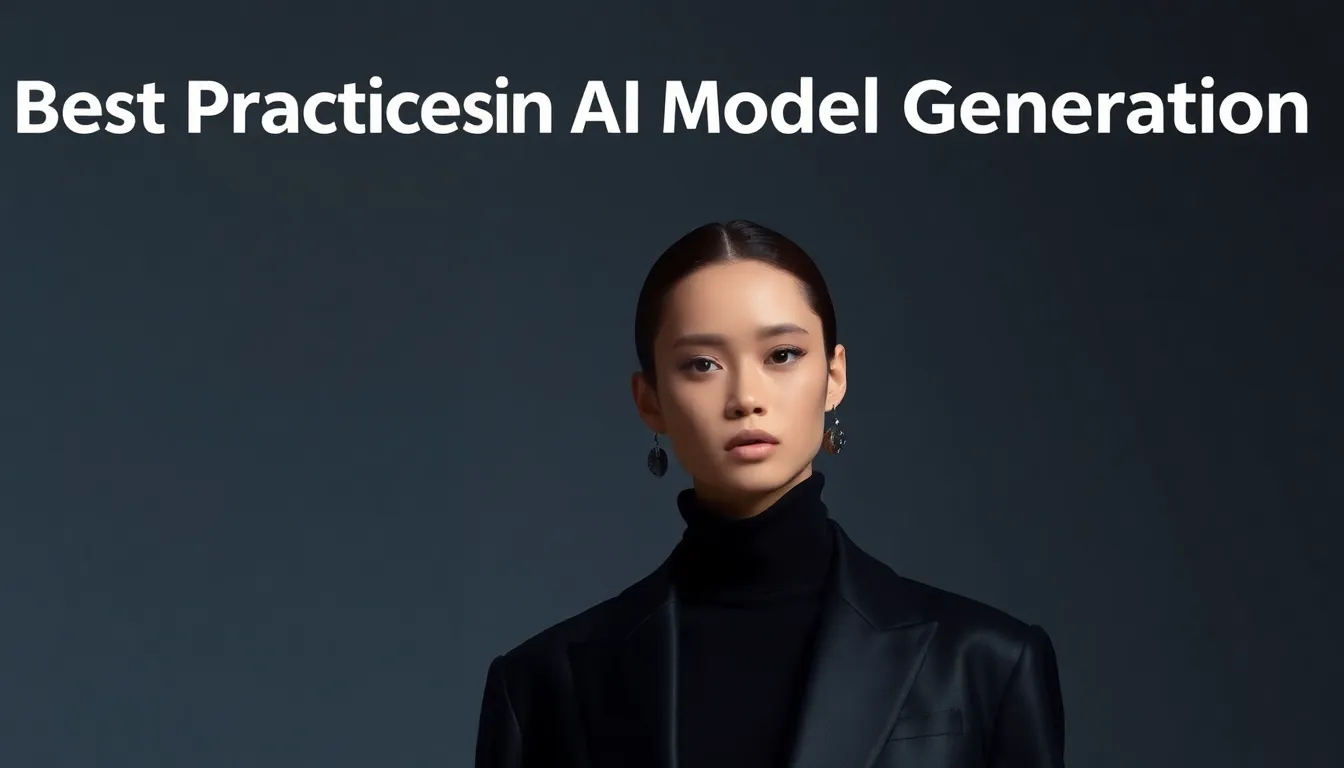
# Best Practices for AI Model Generation in Fashion Technology
In the ever-evolving world of fashion technology, AI model generation has become a cornerstone for innovation and efficiency. From personalized shopping experiences to dynamic inventory management, AI models are revolutionizing the way we approach e-commerce and fashion design. But with great power comes great responsibility—ensuring that these models are not only effective but also ethical and inclusive. In this blog post, we'll delve into the best practices for AI model generation in fashion technology, providing you with actionable insights and practical examples to elevate your AI initiatives.
Understanding the Basics of AI Model Generation
Before we dive into the nitty-gritty of model generation, it's crucial to have a solid understanding of the basics. AI models, in simple terms, are algorithms that learn from data to make decisions or predictions. In fashion technology, these models can analyze trends, predict customer preferences, and even design clothing. Here's a quick rundown of the key components:
- Data: The foundation of any AI model. High-quality, diverse, and relevant data is essential for accurate predictions and decisions.
- Model Architecture: The structure of the AI model, including the types of algorithms and neural networks used.
- Training: The process of teaching the model to make accurate predictions or decisions based on the data provided.
- Evaluation: Assessing the model's performance against predefined metrics to ensure it's meeting the desired objectives.
Data Quality and Diversity: The Cornerstone of Effective AI Models
One of the most critical factors in AI model generation is the quality and diversity of the data used. In fashion technology, this means collecting and analyzing vast amounts of data related to consumer preferences, market trends, and product attributes. Here are a few key considerations:
- Data Collection: Ensure that you're collecting data from a wide range of sources, including social media, e-commerce platforms, and physical retail stores.
- Data Cleaning: Remove duplicates, correct errors, and standardize data formats to improve accuracy.
- Diversity: Include data from various demographics, styles, and regions to ensure your model is inclusive and representative of your target audience.
Practical Example: A leading fashion brand used AI to analyze customer reviews and social media posts to identify emerging trends. By leveraging diverse data sources, they were able to launch a new collection that resonated with their global audience, resulting in increased sales and customer satisfaction.
Choosing the Right Model Architecture
Selecting the appropriate model architecture is crucial for achieving your desired outcomes. In fashion technology, there are several types of models you can consider, including:
- Machine Learning Models: Suitable for tasks like image recognition and sentiment analysis.
- Deep Learning Models: Ideal for complex tasks like predicting fashion trends and generating personalized product recommendations.
- Reinforcement Learning Models: Useful for optimizing inventory management and supply chain operations.
Practical Example: An e-commerce platform implemented a deep learning model to analyze customer browsing behavior and preferences. This allowed them to provide highly personalized product recommendations, resulting in a significant increase in conversion rates.
Model Training and Evaluation
Once you have your data and architecture in place, it's time to train and evaluate your AI model. Here are some key steps to ensure your model is performing optimally:
- Cross-Validation: Split your data into training and testing sets to evaluate the model's performance on unseen data.
- Hyperparameter Tuning: Adjust the parameters of your model to optimize its performance.
- Monitoring: Continuously monitor your model's performance and make necessary adjustments as needed.
Practical Example: A fashion tech startup used cross-validation to train their AI model for predicting customer reviews. By fine-tuning their model's parameters, they were able to achieve a high level of accuracy, leading to improved customer engagement and retention.
Ensuring Ethical and Inclusive AI Models
As fashion technology continues to evolve, it's crucial to prioritize ethical considerations and inclusivity in AI model generation. Here are some best practices to keep in mind:
- Bias and Fairness: Regularly test your models for bias and implement strategies to mitigate it.
- Transparency: Be transparent about the data sources and algorithms used in your AI models.
- Inclusivity: Ensure that your AI models are representative of diverse demographics and preferences.
Practical Example: A fashion brand developed an AI model for identifying fashion trends. To ensure inclusivity, they actively sought input from diverse fashion influencers and communities, resulting in a model that reflected a wider range of styles and preferences.
Conclusion
In conclusion, generating effective AI models in fashion technology requires a combination of technical expertise, data-driven insights, and ethical considerations. By focusing on data quality, choosing the right model architecture, and ensuring ethical practices, you can unlock the full potential of AI in fashion technology. Whether you're a fashion brand, e-commerce platform, or tech startup, incorporating these best practices will help you stay ahead in the rapidly evolving fashion tech landscape.
- Key Takeaways:
- Prioritize data quality and diversity to improve model accuracy.
- Select the appropriate model architecture based on your objectives.
- Invest in model training and evaluation to ensure optimal performance.
- Embrace ethical practices and inclusivity to build trust with your audience.
As the fashion technology industry continues to evolve, staying informed and adaptable will be the key to success. By leveraging AI and following these best practices, you'll be well on your way to creating innovative and impactful solutions that drive growth and customer satisfaction.
Ready to Transform Your Fashion Images?
Experience the power of AI with Loomlyft's cutting-edge fashion technology tools.
Try It Free →